
The Sacred Aesthetic II
The Sacred Aesthetic II
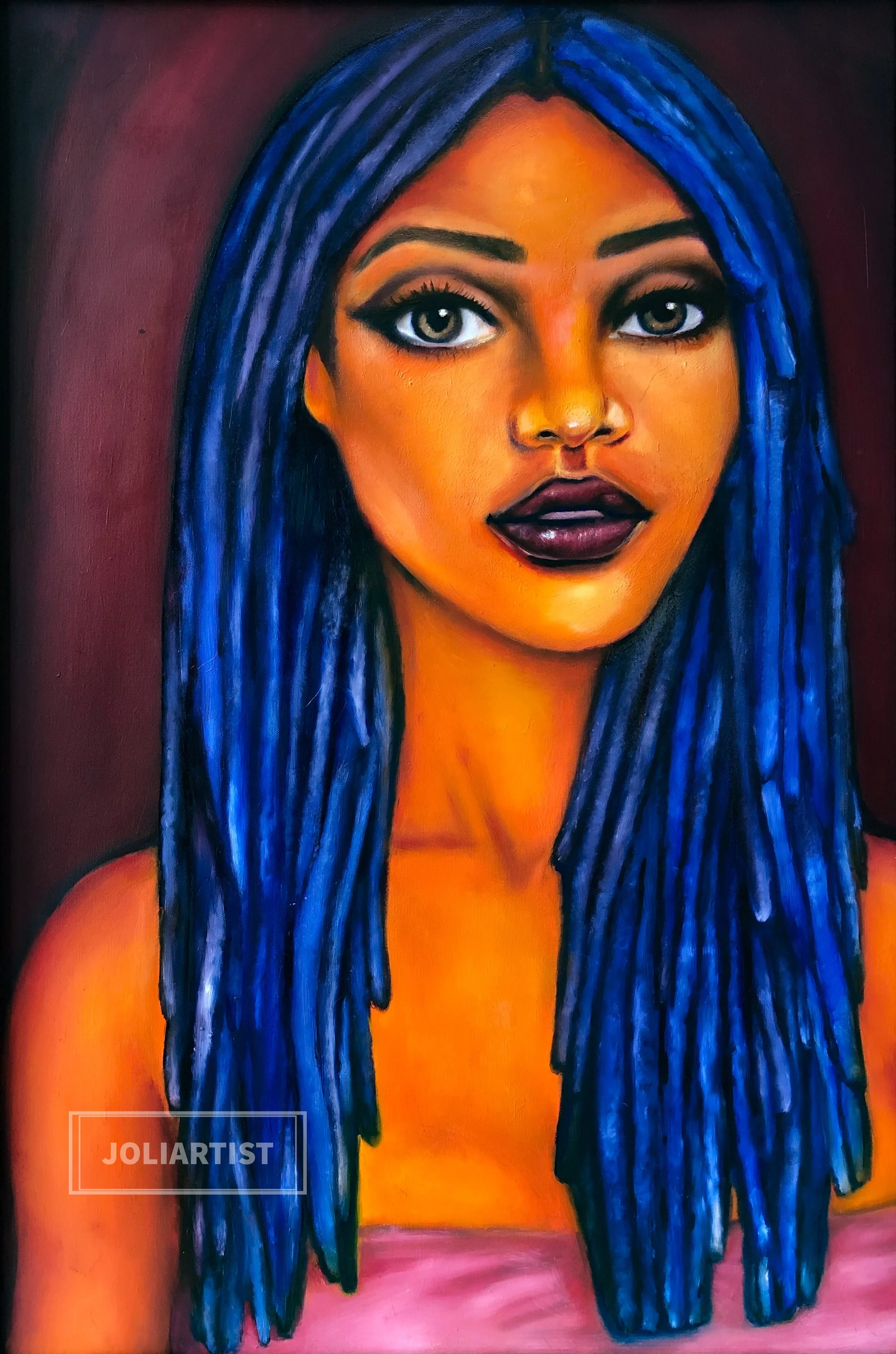
In Ancient Egyptian Mythology, Blue hair has been described as a "sacred aesthetic" with lapis lazuli (a very rare earth mineral in a rich shade of blue) indicated divinity (perhaps due to its association with precious materials.) The Gods were said to have hair of lapis lazuli.
Biblical characters such as Eve, Leah, Rachel, and The Virgin Mary are often also depicted with "sky-blue" hair.
Additionally, many works of art from the Anglo-Saxon tribes (post-Roman influence) feature blue haired women. Although according to Gale R. Owen-Crocker in Dress in Anglo-Saxon England "the use of colour in Anglo-Saxon art is not realistic; there is no need to assume dye was used on the hair." The statement by Owen-Crocker is of course open to interpretation.
The Buddha was also often featured with brilliant blue hair, with traces of ancient blue pigment haven been found in the hair grooves of the 'Qingzhou Buddhas' of the 4-6th century.
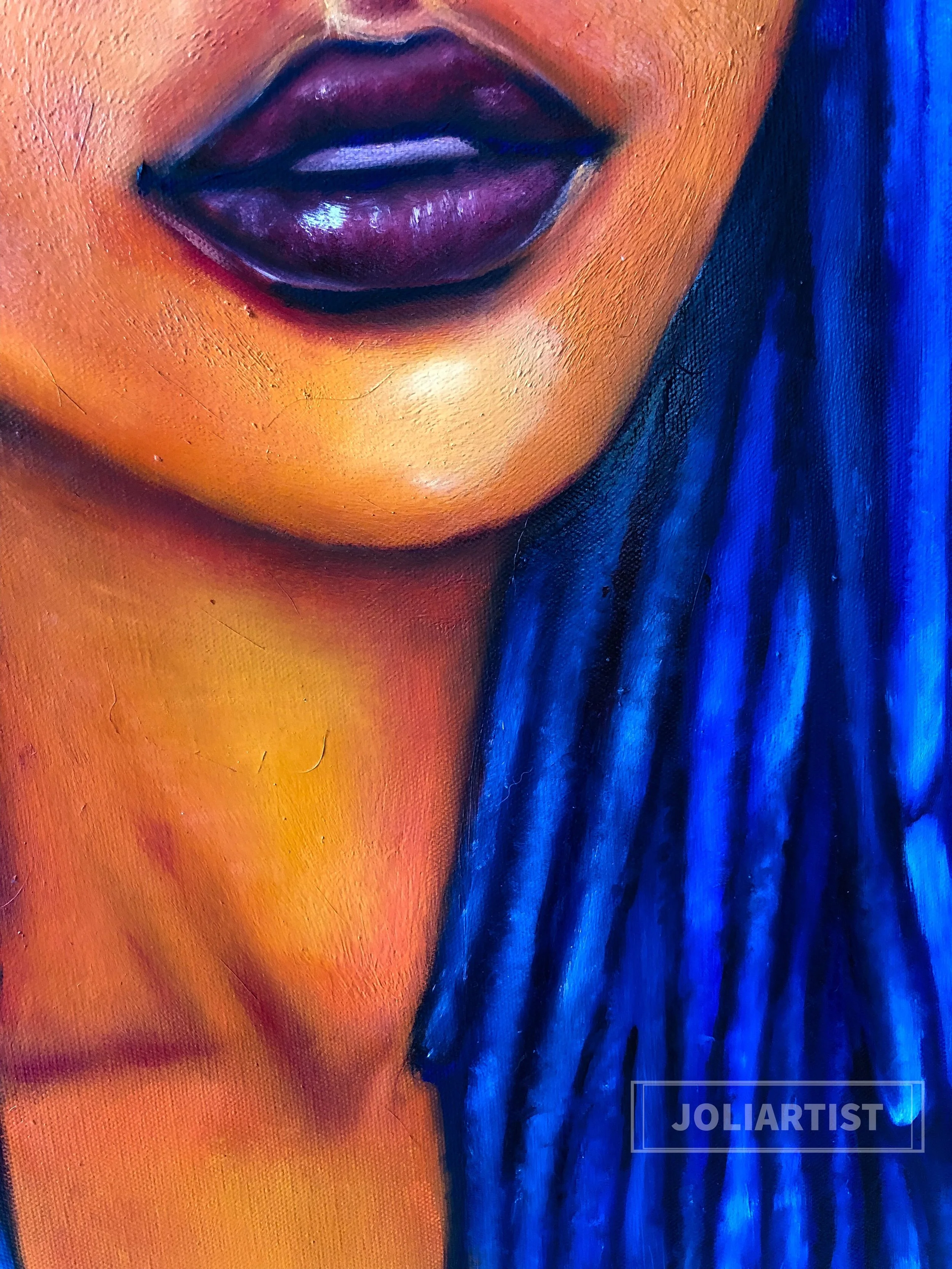
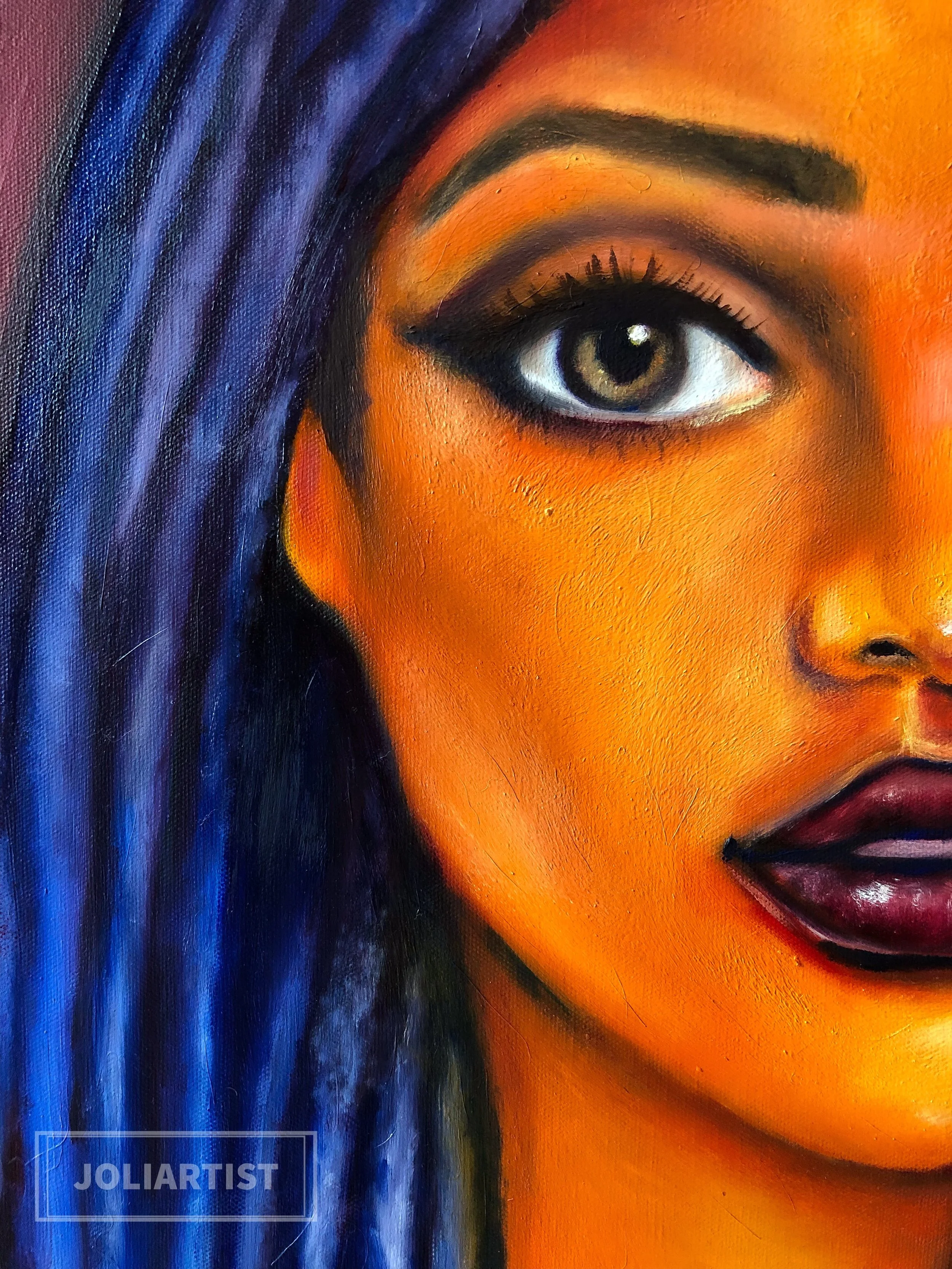
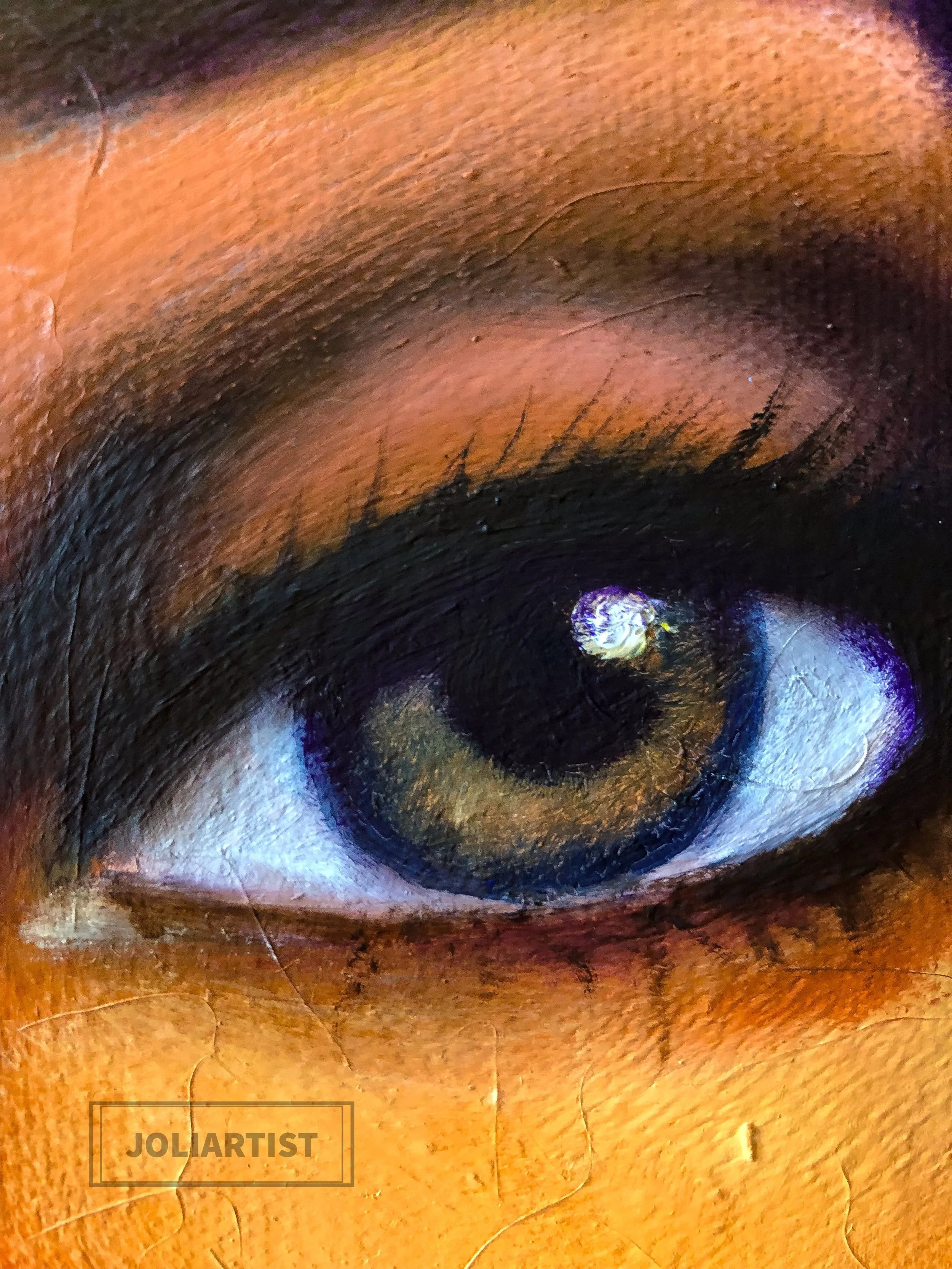
Original oil painting on canvas.
36’’ x 24’’ inches
Free domestic shipping; Please contact for international shipping.